Whether you’ve inherited artwork you’d like to sell or want to build your collection with high-quality pieces, understanding how to value a painting is essential. The valuation experts at Christian McCann Auctions determine a painting’s worth by looking at factors like the artist’s reputation, the artwork’s history, its physical condition, and its rarity. Considering all of these and more will help you get a sense of the painting’s worth before you buy or sell.
To help you navigate the painting valuation process and make informed decisions about your artwork, this article will explore the five key areas you need to focus on:
- The Artist & Authenticity
- Provenance/History
- Condition & Conservation
- Subject Matter, Period & Size
- Artistic Quality & “The X-Factor”
From understanding the artistic quality of the painting to estimating its age and subject matter, we’ll guide you through all the do’s and don’ts of how to value a painting.
Factor 1: The Artist & Authenticity
If you’re wondering how to value a painting, the first thing that should come to mind is the artist. This is the single most important factor in painting valuation. After all, a mediocre painting by a well-known or sought-after artist is likely to be worth a lot more than a great painting by an unknown or amateur artist.
Things to consider when researching the artist are their reputation, exhibition history, and sales record. Look for artists with critical acclaim, media coverage, or institutional recognition, as well as a track record of exhibitions in prominent or well-respected galleries. You can also check private sales and records from fine art auctions to see if the artist holds consistent or growing sales prices.
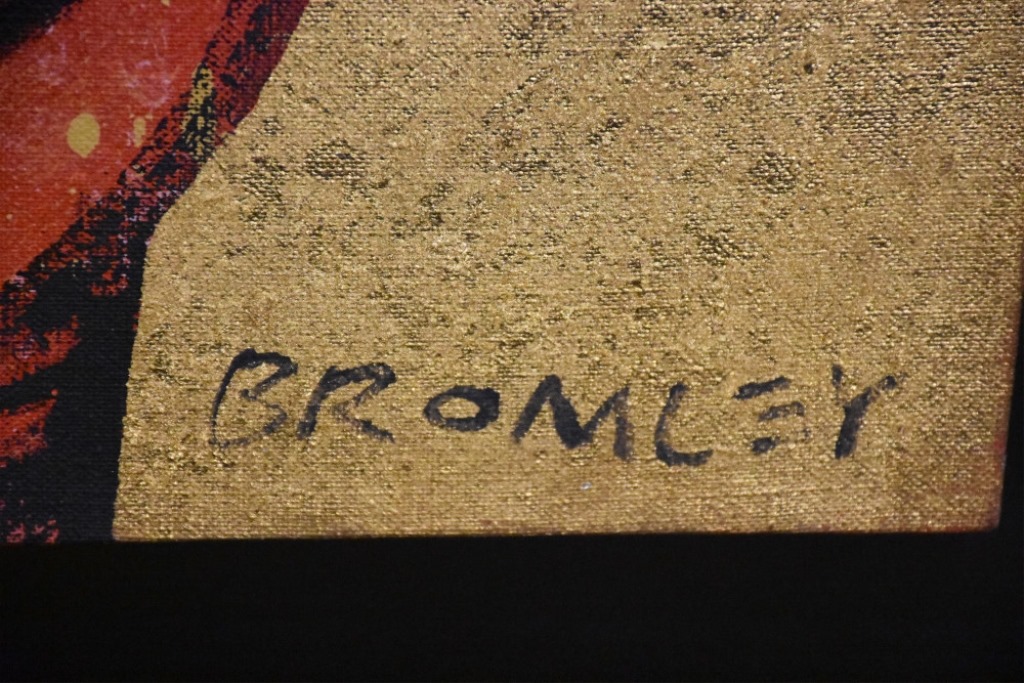
Once you’ve established the artist, it’s important to ensure the artwork’s authenticity by checking the painting for the artist’s signature, either on the front or back of the painting. Signatures can be forged, however, so be sure to examine the painting under good lighting and check for signs of forgery. You can also compare the signature and its placement with other known and verified paintings by the artist. And, if in doubt, you can get it authenticated by a qualified professional.
Factor 2: Provenance (The Painting’s History)
When it comes to painting valuation, provenance is the artwork’s chain of ownership. Well-documented provenance is extremely useful because it helps to prove the painting’s authenticity and provides practical and potentially interesting information on its history.
Provenance documentation can include details of previous owners, gallery or museum labels, auction receipts, or exhibition catalogues. This not only confirms to buyers that the painting has been publicly recognised and properly handled over time, but it also adds to the artwork’s sense of story, prestige, and desirability.
So, whether you spot an interesting painting at a deceased estate auction or inherit a family heirloom, make sure it has well-documented provenance.
Factor 3: Condition & Conservation
The condition of the painting also has a big impact on its value. So, to get an accurate painting valuation before buying or selling, it’s important to know what to look out for in terms of condition and conservation.
Common issues that can devalue a painting include tears, craquelure (cracking), discoloured varnish, or poor repairs. It’s also worth noting that a painting could be more valuable in its original condition than if it has been restored — even if the original condition has some damage or wear and tear. This is particularly true with paintings of historical significance.
Factor 4: Subject Matter, Period & Size
What the painting depicts can influence both its appeal and market value. For example, portraits of well-known figures, historically significant events, and serene landscapes can often have a broader appeal and higher market value for collectors than abstract paintings with challenging themes.
Certain periods in an artist’s career can also have a significant impact on a painting’s desirability. While an artist may be famous or celebrated among critics and collectors, it doesn’t necessarily mean that all their works hold the same value. Collectors tend to place more value on works from an artist’s most innovative or celebrated period as opposed to their early or experimental work.
Meanwhile, the size of the piece can have an impact on the painting valuation, but bigger is not always better. Larger paintings can often acquire a larger price as they require more time and materials. However, smaller works could be equally or even more valuable, especially if they are rare, intimate, or more practical for collectors to display as decorative art. So, while size can play a role in value, it doesn’t have as much of an influence as the artist, subject matter, and market demand.
Factor 5: Artistic Quality & “The X-Factor”
When it comes to the considerations of painting valuation, this is by far the most subjective factor. While some of it comes down to the artist’s skill in composition technique and use of colour, it’s more about ‘wall power’ and how the piece impacts the space.
Expert art valuers and auctioneers spend years learning to recognise a painting’s wall power, from the immediate visual impact (i.e does it stand out from across the room) and the painting’s emotional or atmospheric presence to more technical aspects like balance and composition.
A painting with high wall power doesn’t just look good up close — it commands presence, connects emotionally, and enhances its surroundings, all of which can significantly boost its value.
So, How Can I Find the Value of a Painting?
Understanding the key factors that go into painting valuations can help you get an idea of a painting’s market value before you choose to buy or sell. By taking a closer look at the artist, authenticity, provenance, condition, subject matter, period, and wall power, you’ll start getting a clearer idea of your artwork’s true value so you can make an informed decision.
However, if you want to know how to find out the value of a painting with accuracy, it’s worth consulting an expert art and antique valuer. With years of expertise, training, and experience under their belts, professional art valuers know exactly what to look for and can give you a more accurate and realistic valuation in a fraction of the time and effort. To find out more about our valuation for auction service or to attend one of our auctions as a buyer, get in touch with our team of art and antique experts today.